
What are sensitive teeth?
Having sensitive teeth can mean anything from getting a mild twinge to having severe discomfort that can continue for several hours.
It can also be an early warning sign of more serious dental problems.
Who suffers from sensitive teeth?
Many people suffer from sensitive teeth and it can start at any time. It is more common in people aged between 20 and 40, although it can affect people in their early teens and when they are over 70. Women are more likely to be affected than men.
What causes sensitive teeth?
The part of the tooth we can see is covered by a layer of enamel that protects the softer d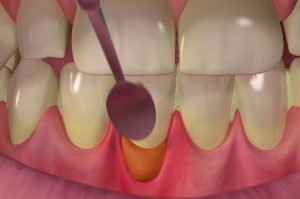 entine underneath.
If the dentine is exposed, a tooth can become sensitive. This usually happens where the tooth and the gum meet and the enamel layer is much thinner.
Here are some causes of sensitivity.
Toothbrush abrasion – brushing too hard, and brushing from side
to side, can cause dentine to be worn away, particularly where the teeth meet the gums. The freshly exposed dentine may then become sensitive.
Dental erosion – this is loss of tooth enamel caused by attacks of acid from acidic food and drinks. If enamel is worn away the dentine underneath is exposed, which may lead to sensitivity.
Gum recession – gums may naturally recede (shrink back), and the roots will become exposed and can be more sensitive. Root surfaces do not have an enamel layer to protect them.
Gum disease – a build-up of plaque or tartar can cause the gum to recede down the tooth and even destroy the bony support of the tooth. Pockets can form in the gums around the tooth, making the area difficult to keep clean and the problem worse.
Tooth grinding – this is a habit which involves clenching and grinding the teeth together. This can cause the enamel of the teeth to be worn away, making the teeth sensitive.
Other causes of pain from sensitivity may be:
A cracked tooth or filling – a cracked tooth is one that has become broken. A crack can run from the biting surface of a tooth down towards the root. Extreme temperatures, especially cold, may cause discomfort.
Tooth bleaching – some patients have sensitivity for a short time during or after having their teeth bleached. Discuss this with your dentist before having treatment.
When are teeth more likely to be sensitive?
You are more likely to feel the sensitivity when drinking or eating something cold, from cold air catching your teeth, and sometimes with hot foods or drinks. Some people have sensitivity when they have sweet or acidic food and drink. The pain can come and go, with some times being worse than others.
Is there anything I can do to treat sensitive teeth at home?
There are many brands of toothpaste on the market made to help ease the pain of sensitive t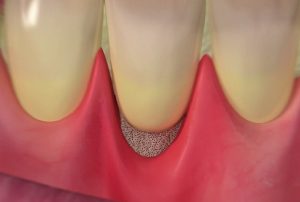 eeth. The toothpaste should be used twice a day to brush your teeth. It can also be rubbed onto the sensitive areas.
These toothpastes can take anything from a few days to several weeks to take effect. Your dentist should be able to advise you on which type of toothpaste would be best for you.
Is there anything I should avoid if I have sensitive teeth?
You may find that hot, cold, sweet or acidic drinks, or foods like ice cream can bring on sensitivity, so you may want to avoid these. If you have sensitivity when brushing your teeth with cold water from the tap, you may need to use warm water instead. It is important you do not avoid brushing your teeth regularly as this could make the problem worse.
Do I need to go and see my dentist?
Yes, if you have tried treating your sensitive teeth for a few weeks and have had no improvement.
What treatments can the dentist offer?
During an examination the dentist will talk to you about your symptoms. They will look at your teeth to find out what is causing the sensitivity and to find the best way of treating it.
The dentist may treat the affected teeth with special de-sensitising products to help relieve the symptoms.
Fluoride gels, rinses or varnishes can be applied to sensitive teeth. These can be painted onto the teeth at regular appointments one or two weeks apart, to build up some protection. Sensitivity can take some time to settle, and you may need to have several appointments.
If this still does not help, your dentist may seal or fill around the neck of the tooth, where the tooth and gum meet, to cover exposed dentine.
In very serious cases it may be necessary to root-fill the tooth.
How can I prevent sensitive teeth?
To prevent sensitive teeth follow the principles below:
- Brush your teeth twice a day for two minutes with fluoride toothpaste. Use small circular movements with a soft- to medium-bristled brush. Try to avoid brushing your teeth from side to side.
- Change your toothbrush every two to three months, or sooner if it becomes worn.
- Have sugary foods, and fizzy and acidic drinks less often. Try to have them only at mealtimes.
- If you are thinking about having your teeth bleached, discuss sensitivity with your dentist before starting treatment.